
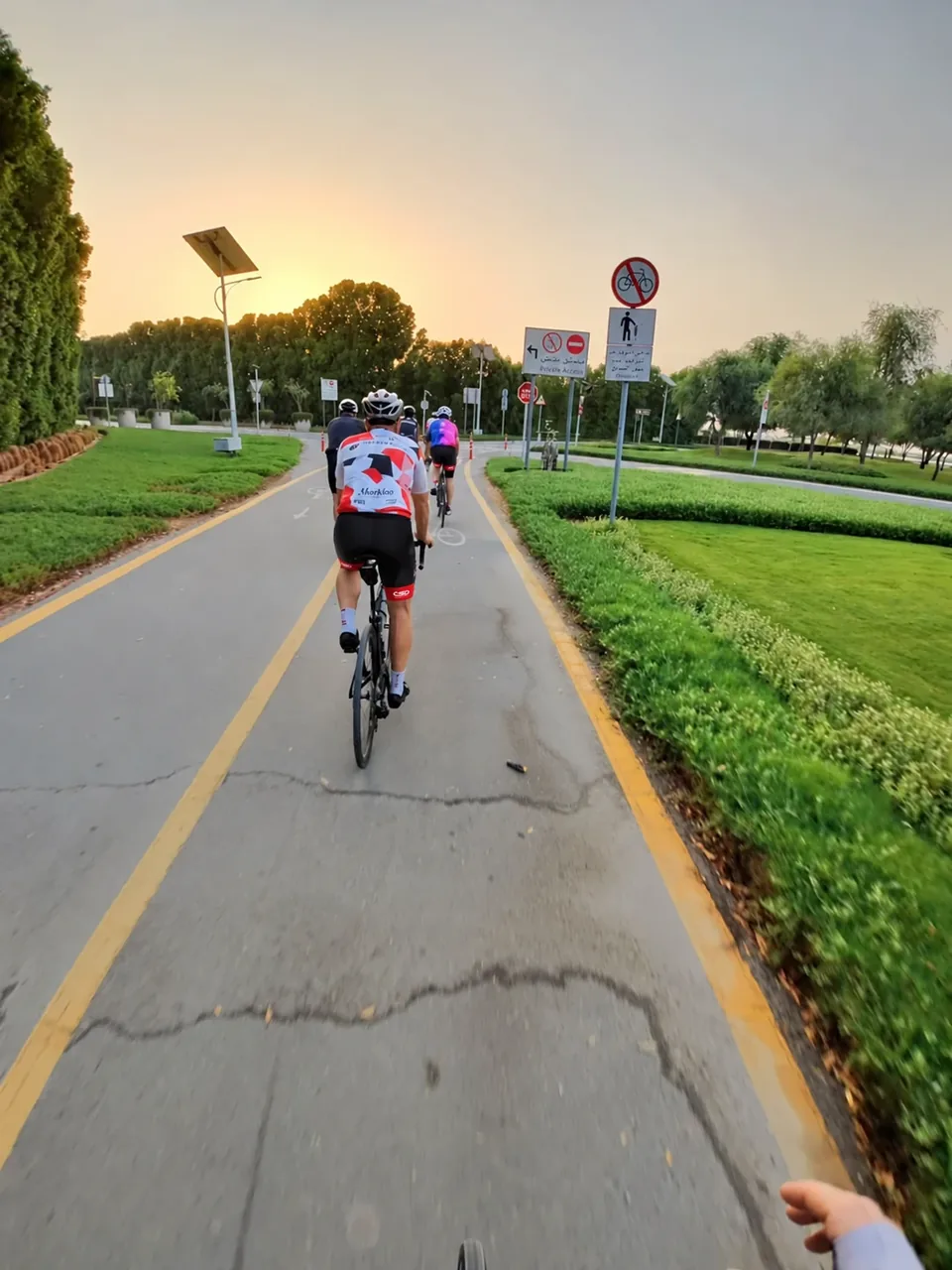
Getting started in cycling.
First bikes, essential kit, group skills, pacing and building distance.
C01What type of bike should a new cyclist start with?
Start with the type of riding you will actually do and a bicycle that fits. A road or endurance bike suits CSD's paved group rides; a mountain bike suits trails; a hybrid can suit shorter leisure use. Fit, comfort, reliable brakes and serviceable parts matter more than a prestigious frame material or racing label.
For CSD's paved group rides, a correctly sized road or endurance bike is the practical choice. Start with a bike that makes you want to ride and leave room in the budget for fitting, safety equipment and servicing.
C02What essential kit do I need for my first rides?
For a first ride, use a correctly fitted helmet and carry water, a charged phone, ID, emergency contact, spare tube or repair kit, tyre levers, pump or inflator and any essential medication. For CSD, use a suitable road bike and add lights whenever the ride starts before full daylight. Clothing should suit heat and visibility.
Before joining CSD, practise using the puncture kit and confirm that the bike, brakes and tyres are serviceable. Need practice or tips your local bike shop including Revolution Cycles could guide you.
C03How do I know whether my bike fits correctly?
A size chart only starts the process. A broadly correct fit should allow stable control, comfortable reach and pedalling without persistent knee, hand, neck, back or saddle symptoms. A qualified fitter can adjust saddle position, handlebar reach, cleats and contact points, but a medical symptom still requires clinical assessment rather than repeated equipment changes.
C04How far and how often should a beginner ride?
There is no single beginner distance. Begin with two or three manageable sessions each week, leave recovery between harder rides and increase duration gradually. A structured eight-week plan can build toward 50 km; longer goals need more time, consistent easy riding and practice with food, fluids and repairs. Speak to your trusted bike retailer, like Revolution Cycles and the team can assist.
C05How do I build up to 50 km, 80 km or 100 km safely?
Build time in the saddle before speed. Progress from a comfortable 30-50 km ride toward 65-80 km, repeat the distance until recovery and fuelling are reliable, then extend toward 100 km. Use easier weeks and do not increase distance, intensity and frequency at the same time. Practise group skills and nutrition before the target event.
CSD's historic build-up pattern of approximately 35, 45, 65 and 80 km is a useful local progression toward longer events. It's why Spinneys Dubai 92 Cycle Challenge is this way. It's base on the same Co-Founders ideas. Repeat a distance until pacing, food, fluid and recovery are reliable before moving up.
C06What average speed should a beginner expect?
Average speed is affected by wind, surface, gradient, bicycle, group size and fitness, so it is a poor universal beginner target. Use effort and control first: a beginner endurance ride should feel sustainable, allow conversation and leave enough attention for steering, braking and signalling. CSD's lowest current ride target is a group-entry benchmark, not a definition of beginner fitness.
C07How do bike gears work, and when should I shift?
Shift before cadence collapses on a rise and briefly reduce pedal force during the shift. A smaller front chainring and larger rear sprocket make pedalling easier; the opposite makes the gear harder. Avoid extreme cross-chaining where possible and learn the controls in a quiet area before joining a group.
A practical starting cue is smooth pedalling near a comfortable cadence, often around 80 rpm, but change before the legs bog down on a rise rather than waiting until the gear is already too hard. A noisey gear shift 'clunk' is generally a sign of too much strain on a chain and therefore a late change.
C08What cadence should I aim for?
There is no compulsory cadence. Many recreational road cyclists find a moderate rhythm around 70-90 rpm comfortable, but terrain, gearing, experience and physiology change the best value. The useful cue is smooth pedalling at a sustainable effort without grinding a very hard gear or bouncing. Cadence is a guide, not a pass/fail target.
Around 80 rpm can be a useful starting reference for many riders, but it is not a rule or a magical target. Bike computers will help you see, and irony is as you get better you'll feel it and not need the visual cue.
C09How do I brake, corner and descend safely?
Brake while the bicycle is upright and reduce speed before the corner. Use both brakes progressively (rare more), look through the exit, keep a stable line and avoid sudden braking in a group. On descents, create space, control speed before bends and never exceed the distance in which you can stop. Technique should be practised gradually in a controlled environment. Like driving don't hold your brakes just on continuously as they will heat up from friction.
C10How do I fix a puncture and what repair items should I carry?
Carry a compatible spare tube or tubeless repair, tyre levers and a pump or inflator, and know how to stop safely before attempting a repair. Remove the wheel, find and remove the cause, check the tyre, fit the tube or repair and inflate within the tyre and rim limits. Practise at home especially with single use CO2. Don't forget to check for thorns, cuts or worn areas as this could waste your efforts if not located.
Ask a qualified workshop to demonstrate the repair on the equipment you actually carry, then practise at home.
C11What should I eat and drink before and during a first long ride?
For a long or hard early ride, use familiar carbohydrate-rich food and fluid that the rider tolerates. During rides longer than roughly 90 minutes, many riders benefit from regular carbohydrate; published sport guidance commonly including SiS and their sports nutritionists use 30-60 g per hour for 1-2.5 hours and higher trained targets for longer events. Count food, drink and gels together and practise before an event.
For Dubai rides, practise the chosen breakfast, drink, bars and gels before an event because heat and unfamiliar products can increase gastrointestinal problems. Don't forget hydration as sugar and salts can draw water via osmosis and drive dehydration.
C12How do I prevent saddle soreness, numb hands and neck or knee pain?
Mild early saddle tenderness can occur, but persistent soreness, skin breakdown, numbness, weakness or knee, neck or hand pain should not be normalised. Check bike fit, clothing, saddle condition, position changes and training load. Stop and seek qualified assessment for severe, radiating or worsening pain, loss of function or symptoms that persist.
CSD can point out obvious position or equipment issues, but persistent symptoms need a qualified bike fitter or clinician rather than an online diagnosis. For numb hands its generally squeezing or too much continuous pressure on the bars. Stay light and keep moving.
C13When am I ready to join a group ride?
A rider is ready for a group when they can control the bike predictably, look behind without swerving, brake and change gear smoothly, hold a steady line, ride the advertised distance and target average, communicate hazards and repair a routine puncture. Start with the most suitable CSD group and tell the team it is the first group ride.
CSD normally uses about 25 km/h as an entry benchmark because the rider should already be comfortable braking, shifting, turning and looking ahead. First-time riders should message the team and start with the most suitable group. We would love to hear of your progress thus far.
C14What are the key hand signals and group-riding rules?
Signals and calls should be simple, early and consistent: slowing or stopping, left or right turn, obstacle, rider or vehicle ahead and a change of line. A rider who cannot safely remove a hand should call loudly instead. Never copy a signal without checking the hazard and keep both hands ready when braking or control demands it.
In the UAE, call clearly and pass on the agreed CSD signals, but never remove a hand if doing so would reduce control.
C15What common beginner mistakes should I avoid?
Common beginner errors include looking down instead of ahead, braking or changing line suddenly, shifting too late, starting too fast, riding without water or repair equipment, following a wheel too closely or cross-wheeling and increasing training load too quickly. New riders also benefit from practising starts, stops, cornering and puncture repair before a busy group.
Build the skills before the speed: look ahead, hold a predictable line, practise braking and shifting without looking down, and manage yoru social feed only when safely stopped.
Information and external links were reviewed on 21 October 2026 and were accurate to the best of CSD's knowledge at the time of writing. Medical, training and nutrition content is general education, not personal advice. Guidance, facilities, schedules, prices and product information can change, so check the linked source and current local advice before acting.